Leverage Customer Platforms for Small Businesses
- nicualema9
- May 19
- 4 min read

In today’s fast-paced market, small and medium-sized businesses need every advantage to grow and compete. One powerful tool that often gets overlooked is the customer platform. These platforms help businesses collect, organize, and use customer data effectively. By leveraging these tools, you can improve customer relationships, increase sales, and streamline your marketing efforts without breaking the bank.
Understanding Customer Platforms for Small Businesses
Customer platforms are software solutions designed to gather and manage customer information from various sources. This data can include purchase history, website interactions, social media activity, and customer service records. For small businesses, using a customer platform means having a centralized place to understand your customers better and tailor your approach to meet their needs.
These platforms often combine features like contact management, marketing automation, and analytics. This integration helps you save time and make smarter decisions. For example, if you notice a group of customers frequently buying a particular product, you can create targeted promotions just for them.
Why Small Businesses Should Use Customer Platforms
Improved Customer Insights: Get a clear picture of who your customers are and what they want.
Personalized Marketing: Send relevant offers and messages that resonate with your audience.
Increased Efficiency: Automate repetitive tasks like email campaigns and follow-ups.
Better Customer Service: Access customer history quickly to provide faster, more informed support.
By adopting a customer platform, you can build stronger relationships and boost your business growth.

How to Choose the Right Customer Platform for Small Businesses
Choosing the right customer platform can feel overwhelming with so many options available. Here are some practical steps to help you make the best choice:
Identify Your Needs: List what features are most important for your business. Do you need email marketing, sales tracking, or customer support tools?
Consider Your Budget: Look for platforms that offer the best value without unnecessary extras. Many affordable options exist that fit small business budgets.
Check for Ease of Use: The platform should be user-friendly and not require extensive technical knowledge.
Look for Integration: Ensure the platform can connect with your existing tools like your website, social media, or accounting software.
Evaluate Support and Training: Good customer support and training resources can save you time and frustration.
Once you narrow down your options, try free trials or demos to see which platform feels right for your business.
Is there a free CRM for small businesses?
Yes, there are free CRM (Customer Relationship Management) options available that can help small businesses get started with managing customer data. These free tools often include basic features like contact management, task tracking, and simple reporting. They are a great way to test the waters without any upfront investment.
However, free CRMs may have limitations such as:
Limited storage or number of users
Fewer automation options
Basic customer support
If your business grows or needs more advanced features, you might consider upgrading to a paid plan or switching to a more comprehensive customer platform.
Tips for Using Free CRM Effectively
Start by organizing your existing customer contacts.
Use the CRM to track interactions and follow-ups.
Take advantage of any email marketing features to stay in touch.
Regularly update your data to keep it accurate.
Free CRMs can be a stepping stone to more powerful customer data management as your business expands.
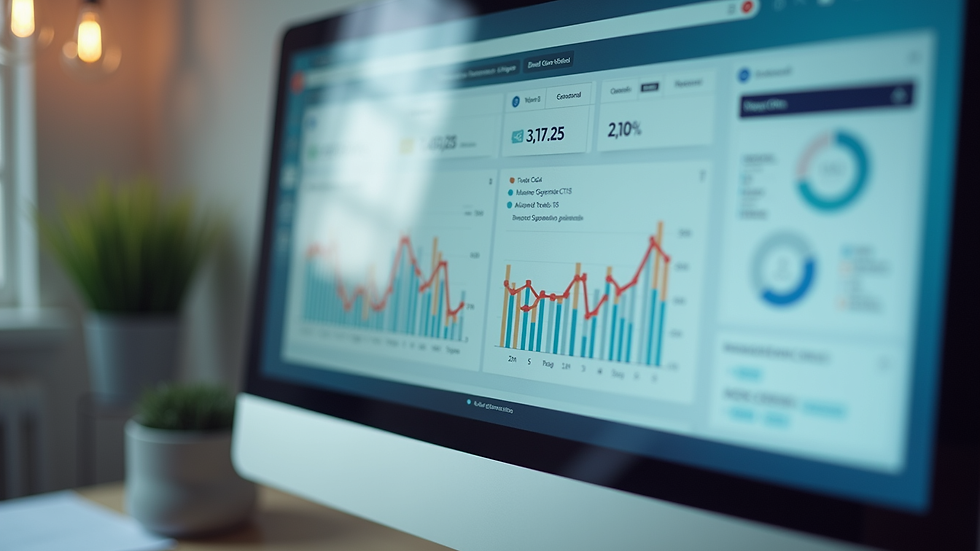
How to Leverage a Customer Data Platform for Small Business Growth
A customer data platform for small business can be a game-changer. It collects data from multiple sources and creates a unified customer profile. This helps you understand customer behavior and preferences in one place.
Here’s how to make the most of it:
Centralize Your Data: Connect your website, social media, email, and sales data to get a full view of your customers.
Segment Your Audience: Group customers based on behavior, location, or purchase history to target them more effectively.
Personalize Communication: Use the insights to send personalized emails, offers, and messages that increase engagement.
Automate Marketing: Set up automated campaigns triggered by customer actions, like abandoned carts or birthdays.
Analyze Results: Use built-in analytics to track campaign performance and customer trends.
By using a customer data platform, you can create a more personalized experience that builds loyalty and drives sales.
Practical Steps to Implement a Customer Platform in Your Business
Implementing a customer platform doesn’t have to be complicated. Follow these steps to get started smoothly:
Gather Your Existing Customer Data: Collect contacts, purchase records, and any other relevant information.
Choose Your Platform: Based on your needs and budget, select a platform that fits your business.
Import Your Data: Upload your customer information into the platform.
Train Your Team: Make sure everyone who will use the platform understands how it works.
Set Up Automation: Create workflows for emails, follow-ups, and reminders.
Monitor and Adjust: Regularly review your data and campaign results to improve your strategy.
Starting small and gradually expanding your use of the platform will help you avoid overwhelm and get the best results.
Unlocking Growth with Affordable and Flexible CRM Solutions
Small businesses often face budget constraints, but that doesn’t mean you have to miss out on powerful tools. Affordable and flexible CRM solutions built on platforms like Microsoft Power Platform offer AI-ready features without huge investments. These solutions can grow with your business, adapting to your changing needs.
By choosing a CRM that is easy to customize and scale, you can:
Save money by paying only for what you use
Avoid costly migrations as your business grows
Benefit from AI tools that help predict customer behavior and automate tasks
This approach aligns perfectly with the goal of simplifying the CRM experience while supporting business growth.
By leveraging customer platforms for small businesses, you can transform how you interact with your customers. These tools provide valuable insights, automate routine tasks, and help you deliver personalized experiences that build loyalty. Whether you start with a free CRM or invest in a more advanced customer data platform, the key is to take action and use your customer data wisely. Your business growth depends on it.


Comments